Introduction to Cheap Cloud Hosting
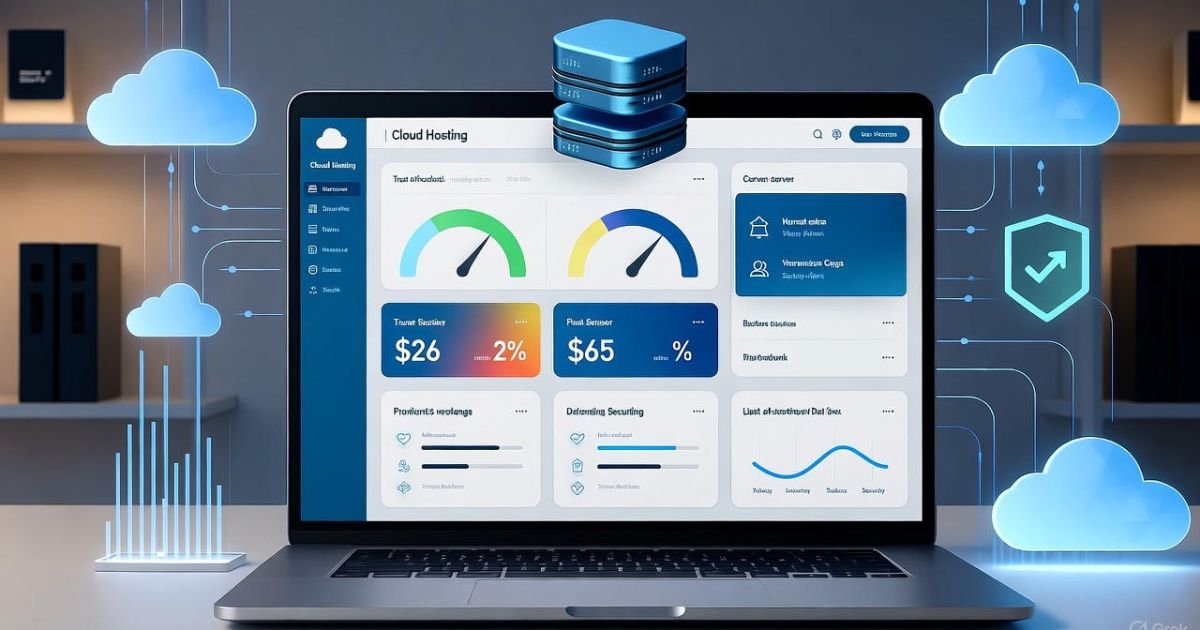
Cloud hosting is an innovative form of web hosting that utilizes a network of virtual servers to store and manage websites and applications. Unlike traditional hosting, which relies on a single physical server, cloud hosting distributes resources across multiple servers. This configuration allows for greater flexibility, reliability, and scalability, as users can tap into a pool of resources according to their needs. The decentralized nature of cloud hosting ensures that even if one server experiences issues, the overall service remains intact, providing greater uptime and stability for websites.
One of the primary advantages of cloud hosting is its cost-effectiveness. Startups, bloggers, and small businesses often operate on tight budgets, making it essential to find hosting solutions that deliver value without sacrificing performance. Cloud hosting platforms typically offer pay-as-you-go pricing models, which means users only pay for the resources they actually consume. This is particularly advantageous for businesses with fluctuating traffic, as they can scale their resources up or down seamlessly, aligning costs closely with usage.
Additionally, cloud hosting is beneficial for users who require rapid deployment and high availability. With the ability to access data and applications from any device connected to the internet, businesses can ensure their services are available round the clock. This flexibility is paramount for startups and small enterprises aiming to maintain a competitive edge in a digital environment. As they grow, the scalability of cloud hosting allows businesses to upgrade their plans effortlessly, accommodating increasing traffic and data storage needs.
Overall, cloud hosting presents a reliable, scalable, and economical solution for those looking to establish or expand their online presence without incurring substantial expenses. Its numerous benefits make it an appealing choice for startups, bloggers, and small businesses navigating the evolving landscape of digital services.
What is Cloud Hosting and How Does It Work?
Cloud hosting is an advanced computing solution that enables individuals and businesses to access hosting services through a network of interconnected servers, rather than relying on a single physical server. This innovative approach utilizes a concept known as multi-tenancy, where multiple customers share the same server resources while maintaining privacy and security. This configuration is beneficial for both users and providers, as it optimizes resource use and provides cost-effective solutions.
Data stored on cloud hosting is managed through a combination of virtual and physical servers located in data centers around the world. Each user’s data is divided and isolated, allowing for efficient storage access while keeping it secure. This architecture enhances the resilience of the system since information is not confined to a single hardware unit. In the event of server malfunctions, the cloud infrastructure automatically reroutes data requests to other available servers, ensuring continuous availability and higher uptime for users.
Resource pooling is a vital component of cloud hosting. It refers to the practice of combining computing resources from various servers and making them available to users on demand. This feature allows for scalable services, meaning that individuals can pay only for the resources they utilize, which further enhances the cost-effectiveness of cloud hosting solutions. As a result, businesses can efficiently scale their operations without the burden of maintaining extensive on-premise hardware.
Cloud hosting is thus a flexible and dynamic option that accommodates varying user demands, navigates data securely, and streamlines resource management. By leveraging the principles of multi-tenancy and resource pooling, modern cloud hosting services can deliver reliable and scalable solutions tailored to the needs of diverse customer bases.
Why Choose Cloud Hosting Over Shared or VPS Hosting?
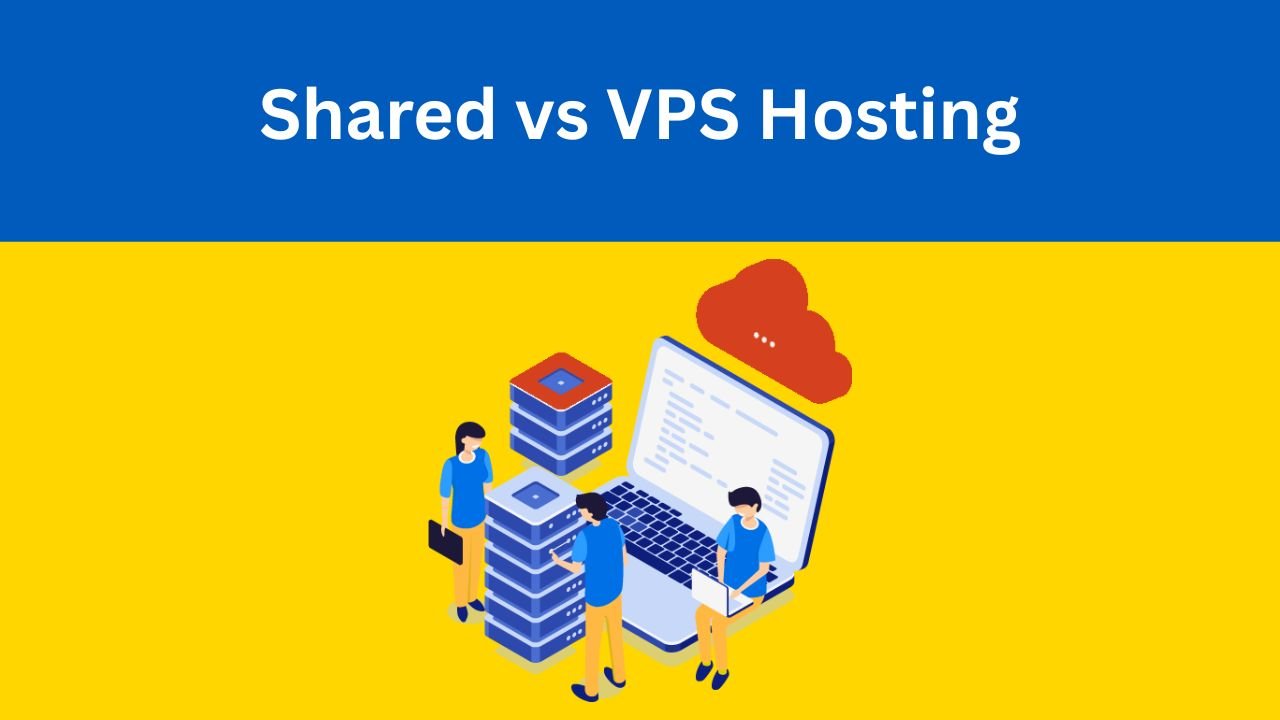
When considering web hosting solutions, it is essential to evaluate the options available in the market effectively. Among the most common types are shared hosting and Virtual Private Server (VPS) hosting. While both have their advantages, cloud hosting presents unique benefits that set it apart.
Shared hosting is often an attractive choice due to its low initial cost. However, it comes with significant limitations. In a shared environment, multiple websites reside on the same server, leading to shared resources. This arrangement can result in slower performance, especially during peak traffic times, as the capacity is limited to the collective needs of all hosted sites. Additionally, security can be a concern, as vulnerabilities in one website could potentially compromise others on the same server.
On the other hand, VPS hosting offers enhanced performance compared to shared hosting by allocating dedicated resources to individual users within a virtualized environment. While this option allows for greater control and customization, it still faces scalability challenges. As traffic grows, users may discover that their allocated resources are no longer sufficient, resulting in a need for costly upgrades or migrations. This can lead to unexpected expenses, which may undermine the budget-friendly aspect of VPS hosting.
Cloud hosting, in contrast, provides a flexible and scalable solution that aligns perfectly with the needs of modern businesses. By utilizing a network of servers, cloud hosting allows resources to be drawn from a pool, guaranteeing that ample resources are readily available. This design enables excellent performance during high traffic periods without the need for costly upgrades. Furthermore, cloud hosting typically offers robust security measures, ensuring that data remains protected across the various nodes in the network. This resource availability and flexibility make cloud hosting an ideal choice for users seeking a reliable, scalable, and budget-friendly solution.
Benefits of Using Cheap Cloud Hosting
Cheap cloud hosting has gained prominence among businesses looking for cost-effective solutions without compromising on performance or reliability. One of the most significant advantages of inexpensive cloud hosting is the cost savings it offers. Startups and small businesses, in particular, often operate with tight budgets and find that affordable cloud hosting plans allow them to allocate resources towards other critical aspects of their operations. By choosing cheap cloud services, these businesses can benefit from reduced overhead costs while still enjoying the robust features necessary for growth.
In addition to cost savings, cheap cloud hosting can deliver enhanced performance. Many providers optimize their infrastructure to ensure that even the most budget-friendly plans include fast load times and responsive support. This level of performance is essential for user satisfaction and can positively influence a company’s reputation. Furthermore, cheap cloud hosting often utilizes advanced technology, such as Content Delivery Networks (CDNs), which can significantly improve website speed across various geographical locations.
Security is another area where cheap cloud hosting shines. While some may assume that lower prices equate to diminished security features, many providers offer comprehensive security measures, such as SSL certificates, regular backups, and multi-layered firewall systems, regardless of the price point. These features are essential, as enhancing security can protect businesses from data breaches and cyber threats, which can otherwise lead to devastating financial losses.
Uptime rates are a critical factor when evaluating hosting services. Cheap cloud hosting solutions typically boast impressive uptime statistics, often exceeding 99.9%. This high availability ensures that businesses can maintain a consistent online presence, which is vital for customer interactions and sales. In conclusion, opting for affordable cloud hosting can present numerous benefits, including significant cost savings, enhanced performance, improved security, and high uptime rates, making it a practical choice for small to medium-sized enterprises.
Key Features to Look for in Cloud Hosting Providers
When selecting a cloud hosting provider, it is essential to consider several key features that can significantly impact your website’s performance and your overall satisfaction as a user. These factors determine not only how well your website operates but also how much flexibility and support you can expect from your provider.
First and foremost, scalability is a crucial aspect of cloud hosting. Unlike traditional hosting options, cloud hosting allows you to effortlessly increase or decrease resources based on your website’s traffic demands. This flexibility is particularly important for businesses that experience fluctuations in visitor numbers or those that anticipate growth. Understanding the scalability options offered, such as auto-scaling, will help ensure that your hosting solution remains effective as your needs change.
Uptime guarantees are another vital feature to evaluate. Most reputable cloud hosting providers offer uptime guarantees of 99.9% or higher, ensuring that your website remains accessible to users around the clock. It is advisable to choose a provider that provides clear metrics on uptime performance and has a reliable infrastructure to support it.
Security measures are also critical in today’s digital landscape. Look for cloud hosting providers that implement robust security protocols, such as data encryption, firewalls, and regular backups. These security features protect your website and data from potential threats, ensuring peace of mind.
Furthermore, customer support is an essential component of cloud hosting services. A provider that offers 24/7 customer support, preferably with multiple communication channels, can help you resolve issues promptly should they arise.
Lastly, consider the pricing structures of different hosting providers. A transparent pricing model that aligns with your budget while offering essential features will help you make an informed decision.
Top 5 Best Cheap Cloud Hosting Providers in 2025
In the rapidly evolving landscape of cloud hosting, budget-friendly solutions continue to attract attention from businesses of all sizes. As we move through 2025, several providers stand out with exceptional offerings that combine affordability with reliability and scalability. Below is a detailed review of the top five cheap cloud hosting providers this year.
1. DigitalOcean – Known for its simplicity and developer-friendly environment, DigitalOcean offers a range of cloud solutions starting at $5 per month. Targeting startups and individual developers, this provider boasts a comprehensive suite of tools that facilitate easy deployment and management of applications. Its standout feature is the intuitive control panel, which allows users to launch and scale resources effortlessly.
2. Vultr – With its global cloud infrastructure, Vultr delivers high-performance cloud hosting services from $2.50 per month. This provider is ideal for businesses looking for low-cost yet powerful solutions. Unique to Vultr is its extensive range of operating systems and instances, enabling tailored environments to meet specific development and production needs.
3. Linode – Linode’s competitive pricing begins at $5 per month, appealing particularly to small and medium-sized enterprises. With a focus on customizability, Linode provides robust cloud hosting solutions along with an extensive library of documentation. Their dedicated customer support stands out, assisting users in optimizing their cloud deployments.
4. A2 Hosting – A2 Hosting combines affordable pricing, starting from $2.99 per month, with excellent performance metrics. Primarily aimed at small businesses and WordPress users, A2 Hosting emphasizes speed with its Turbo Servers. Their remarkable uptime and enhanced security features further distinguish this provider in a competitive market.
5. Hostinger – Starting at just $1.39 per month, Hostinger offers a cost-effective entry into cloud hosting. Its focus on entry-level users and small businesses makes it an attractive option. Hostinger features a user-friendly interface and extensive training materials, making it a logical choice for non-technical users who seek an accessible cloud hosting experience.
For a clearer overview, the following comparison table encapsulates the features, pricing, and unique selling points of these providers, enabling potential customers to make informed decisions based on their needs and budget.
Performance, Speed, and Security Comparison
When evaluating cheap cloud hosting solutions, performance and security are paramount considerations that directly affect user experience and data integrity. A thorough analysis of the top providers reveals key differences in server speed, data encryption methodologies, and DDoS protection measures implemented to safeguard clients’ resources.
One of the primary metrics for assessing performance is server speed, which significantly contributes to a website’s loading time. High-speed servers enable faster data transfer, minimizing latency. Providers such as A2 Hosting and DigitalOcean consistently achieve impressive loading times, often averaging below 200 milliseconds during peak traffic. This performance is particularly appealing for businesses that prioritize user experience and need to retain their audience’s attention.
Data encryption is another critical aspect of cloud hosting. The best providers offer robust encryption protocols to protect sensitive information. For instance, platforms like SiteGround and Hostinger utilize industry-standard SSL certificates to secure data in transit. Moreover, they implement at-rest encryption, which prevents unauthorized access to stored data, ensuring that confidential information remains secure even in the cloud environment.
DDoS (Distributed Denial of Service) attacks are a common threat, particularly for organizations with high visibility. The leading cheap cloud hosting providers have taken significant measures to mitigate these risks. For example, providers such as Linode and Vultr offer integrated DDoS protection services, deploying advanced traffic filtering techniques to detect and nullify malicious traffic that could otherwise overwhelm servers.
In addition to these metrics, evaluating the reliability of infrastructure through uptime guarantees is essential. Providers that offer 99.9% uptime or higher generally maintain more resilient systems, ensuring that businesses experience minimal disruptions. Overall, the combination of speed, data encryption, and DDoS protection serves as a basis for comparing the performance and security capabilities of various cloud hosting providers, ensuring that budget-friendly options do not compromise quality.
How to Choose the Right Cloud Hosting Plan for Your Needs
Selecting the appropriate cloud hosting plan requires a thorough understanding of your specific needs and objectives. To make an informed decision, several factors must be carefully evaluated, starting with your current and anticipated website traffic. Assessing expected visitor numbers will help determine the necessary resources, including bandwidth and storage. If your website is likely to attract significant traffic, a plan that offers scalability is essential, allowing you to adjust resources as demand fluctuates.
Resource requirements are another critical aspect when evaluating cloud hosting options. Consider the type of applications your website will run and estimate the processing power and memory necessary for optimal performance. For instance, if your site includes multimedia content or interactive features, you may require a plan that provides higher CPU and RAM allocations. Additionally, it is important to assess whether your hosting provider offers features such as content delivery networks (CDNs) or caching mechanisms, which can enhance load speeds and improve user experience.
Budget constraints are also a significant consideration. Establish a clear budget for your cloud hosting services and compare what different providers offer in terms of value for money. While cheap cloud hosting options may be appealing, ensure that they meet your performance and reliability expectations. Look for providers that have transparent pricing models and consider any hidden fees associated with scaling resources or customer support.
Lastly, future scalability should not be overlooked. Your cloud hosting plan should enable easy upgrades as your website grows. Look for flexible options that allow you to seamlessly increase your resources without significant downtime or additional complications. By considering these critical factors—traffic, resource needs, budget, and scalability—you can select a cloud hosting plan that aligns closely with your unique requirements.
Step-by-Step: How to Get Started with Cloud Hosting
Embarking on your cloud hosting journey can be a seamless process if you follow a structured approach. Begin by selecting a reliable cloud hosting provider that aligns with your needs and budget. Popular options include providers such as DigitalOcean, AWS, and Google Cloud, which offer an array of services to cater to various requirements. Take the time to compare pricing plans, features, and customer reviews to make an informed decision.
Once you’ve chosen a provider, the next step involves signing up for an account. This process typically requires you to provide your email address, create a password, and, in some cases, verify your identity using payment information. After successfully creating an account, you will gain access to the provider’s dashboard, where you can manage your cloud resources effectively.
After account creation, it’s essential to set up your first cloud instance. Depending on your provider, you may have options such as choosing an operating system or selecting predefined server configurations. Ensure you select the resources (CPU, RAM, storage) that suit your anticipated traffic and workload. Additionally, consider scalability options that allow you to upgrade your resources as your needs evolve.
Next, configure your environment by installing necessary software. If you plan to host a website, you may need to install a web server like Apache or Nginx and configure a database like MySQL. Most cloud providers offer one-click installations for popular applications and platforms, simplifying this process significantly.
Lastly, it is crucial to secure your cloud hosting environment. Implementing firewalls, establishing strong passwords, and using HTTPS can enhance the security of your cloud-hosted website. After ensuring that everything is properly set, you can launch your website and monitor its performance through the cloud provider’s dashboard to make any necessary adjustments.
Common Mistakes to Avoid When Buying Cloud Hosting
In the quest for affordable cloud hosting solutions, users often overlook critical factors that can lead to unsatisfactory service or unexpected costs. One prevalent mistake is not thoroughly understanding the hidden costs associated with cheap cloud hosting. While initial pricing may appear attractive, additional fees for features like backups, customer support, data transfer, and storage can significantly inflate the overall expense. Therefore, it is crucial for potential buyers to carefully analyze the pricing structure and ensure that they factor in all possible charges when evaluating different providers.
Another common pitfall occurs when users fail to read and comprehend service agreements or terms of service. Often, these documents contain vital information regarding service uptime, limitations, and exit strategies. Not understanding these terms can lead users to unwittingly agree to unfavorable conditions, such as limited data recovery options or tedious cancellation processes. It is advisable for users to take the time to scrutinize these agreements and seek clarification on any points they find ambiguous. Failing to address these documents can result in substantial inconvenience in the future.
Furthermore, many individuals do not adequately assess their technical requirements prior to selecting a hosting solution. Each cloud hosting provider has different capabilities, and choosing a service that does not align with one’s needs can lead to performance issues down the line. Users should consider factors like anticipated traffic, necessary security features, and support for particular programming languages. By clarifying these requirements beforehand, users can greatly reduce the risk of selecting a cloud hosting service that is either overkill or insufficient for their operations.
A clear understanding of these common mistakes can save users time and money while paving the way for a smoother cloud hosting experience.
FAQs About Cheap Cloud Hosting
Cheap cloud hosting refers to the services offered by cloud providers that deliver scalable resources at a reduced cost. These platforms typically leverage a pay-as-you-go pricing model, which allows businesses and individuals to pay only for the resources they utilize. While affordable, it is crucial to understand the implications of choosing a lower-cost solution. Users may experience limitations in terms of customer support, reliability, and available features when selecting a substantially cheaper cloud hosting provider.
One of the primary trade-offs of low-cost hosting is the potential compromise on performance. While budget-friendly options can be suitable for small websites, personal blogs, or startups, users should expect varying server speeds and potential downtime. Providers might cut costs by employing less robust hardware or limiting bandwidth. Users aiming to run resource-intensive applications or high-traffic websites may find that these budget options do not meet their performance expectations. Therefore, conducting thorough research and comparing features is vital when evaluating affordable cloud solutions.
When assessing if a cheap cloud hosting provider is suitable for your specific needs, consider the following factors: firstly, the reliability of the hosting service. Look for uptime guarantees and independent reviews from current users regarding reliability and performance. Secondly, evaluate the technical support options available. Budget providers may offer limited support, which can hinder your ability to resolve issues promptly. Finally, assess the scalability of the service. Ensure that the hosting provider can accommodate your future growth without imposing significant costs or requiring a complex migration process.
In conclusion, while cheap cloud hosting can be appealing for its low cost, it is essential to carefully weigh the potential trade-offs and select a provider that aligns with your needs. By prioritizing reliability and support, you can find a budget-friendly solution that effectively meets your requirements.
Conclusion and Call to Action
In today’s competitive online landscape, the importance of selecting the right cloud hosting solution cannot be overstated. As discussed throughout this guide, budget-friendly options for cheap cloud hosting not only provide cost savings but also deliver essential features such as scalability, reliability, and performance. By choosing a reputable provider, users can ensure their websites or applications remain accessible and efficient, even during peak traffic times.
When considering cloud hosting solutions, it is vital to evaluate factors like uptime guarantees, support services, and available resources. Each of the recommended options analyzed in this post has demonstrated the ability to balance affordability with quality, making them suitable choices for both startups and established businesses. As we move into 2025, the demand for scalable and reliable cloud solutions is likely to grow, reinforcing the significance of making informed decisions.
Utilizing cheap cloud hosting can be a strategic move for anyone looking to optimize their online presence without compromising on service quality. By leveraging the insights provided in this guide, readers will be better positioned to select a hosting service that meets their specific needs while remaining within budget. With numerous options available, it’s crucial to conduct thorough research to identify the solution that aligns best with your operational requirements.
To explore more expert reviews and find the best hosting deals for 2025, we encourage you to visit nalhost.in. Making the right cloud hosting choice can pave the way for your digital success, so take action now and ensure your online endeavors are supported by a robust and economical hosting solution.
🚀 Launch your website with Free Hosting and SEO Tools!
Free signup for Hostinger and live your website SEO Friendly.
Signup now